
Cryotherapy is a trusted and widely used treatment for various skin concerns, but how safe is it for people with darker skin tones in Eastleigh?
Cold-based treatments tend to react differently on melanin-rich skin types, so it is important to know the individual risks and the specific techniques that need modification. Start your journey to clearer, healthier skin with Cryosonic Eastleigh.
Let’s look at some common questions about cryotherapy for dark skin and explore expert-backed recommendations for safe and effective care.
Why Is Cryotherapy More Challenging for Darker Skin Tones?
People with darker complexions (Fitzpatrick skin types IV–VI) naturally have more active pigment cells and a higher concentration of melanin.
When these cells are exposed to the freezing temperatures used in cryotherapy, they may respond unpredictably — either losing pigment completely (hypopigmentation) or producing too much pigment (hyperpigmentation) as a reaction to inflammation.
For this reason, although cryotherapy has safe and effective applications, it must be performed with attention to timing, technique, and temperature adjustment to avoid permanent discolouration or uneven skin colour.
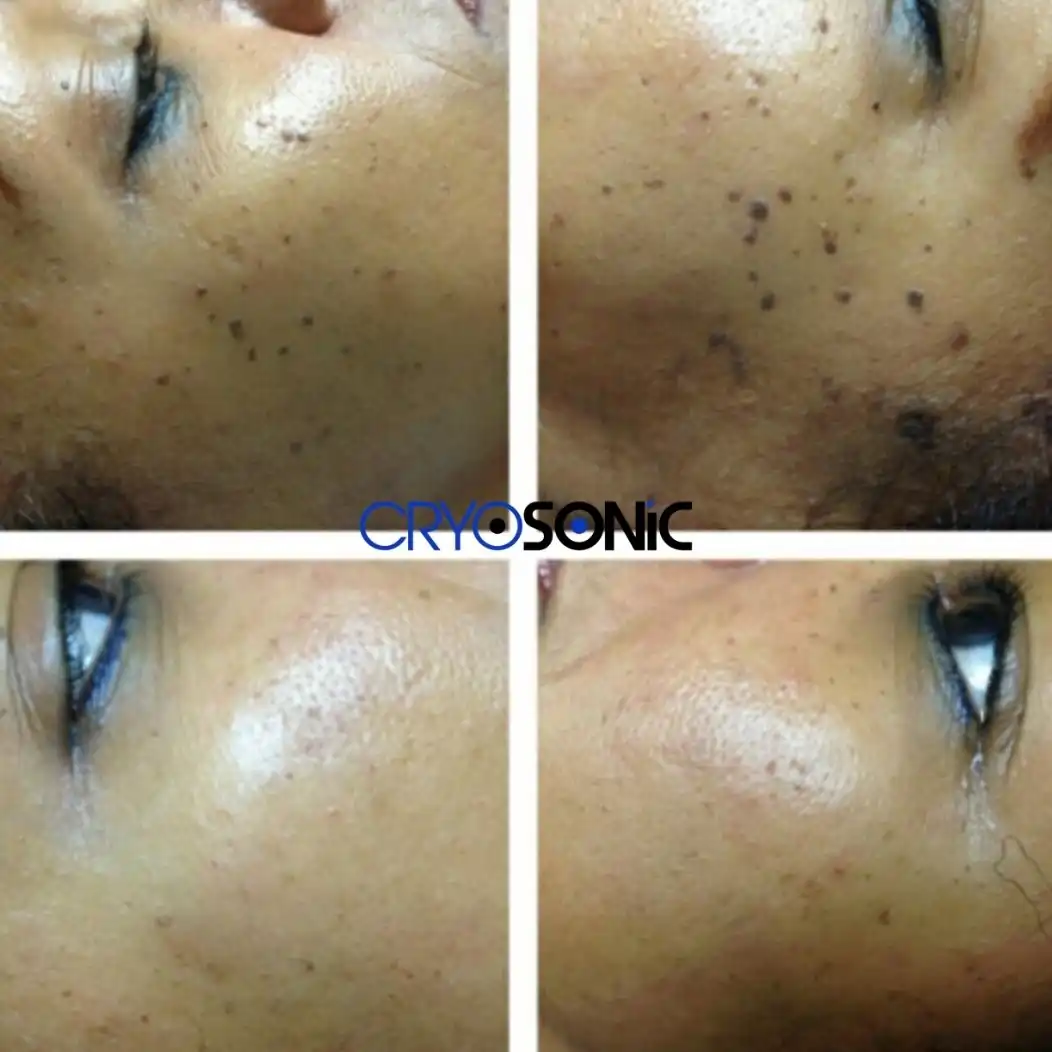
What Are the Common Pigmentation Risks After Cryotherapy on Dark Skin in Eastleigh?
Hypopigmentation (Light Patches)
This happens when pigment-producing cells (melanocytes) are damaged or destroyed during freezing.
It’s much more noticeable on dark skin and can take several months—or even longer—to fade or recover.
Hyperpigmentation (Dark Patches)
In some cases, inflammation from the cold triggers excess pigment production, causing brown or grey patches around the treated area. Discover how CryoPen works for age spots in Eastleigh.
This darkening can get worse if the skin is exposed to sunlight too soon after treatment.
Keloid Scarring
People with dark skin are naturally more prone to keloid formation, especially if the freezing goes too deep or treatments are repeated.
These scars are raised, firm, and can take time to soften or flatten.
Which Areas Are Most Prone to Pigment Changes in Dark Skin?
Certain parts of the body tend to react more strongly to cryotherapy and should be treated with extra care:
- Face and neck: These areas have sensitive pigment cells, and any discoloration is highly visible.
- Chest and shoulders: Prone to keloid formation.
- Hands and forearms: Constantly exposed to sunlight and therefore more reactive.
For these areas, cryotherapy should be used very conservatively or avoided if possible.
How Do You Modify Cryotherapy Safely for Darker Skin Types in Eastleigh?
For safety, dermatologists will often use special protocols for treating dark skin Eastleigh. These include:
- Less freezing at approximately 5–8 seconds rather than the normal 10–15 seconds.
- A single freeze/thaw cycle, not journeying multiple times.
- By cotton-tip applicators or precision cryoprobes for better handling and accuracy.
- Use a barrier (such as petroleum jelly) on the spot to protect the surrounding skin.
- Treating small areas in multiple sessions rather than one lengthy or aggressive freeze.
Such minor modifications aid in minimizing the skin trauma and also decrease the risk of developing any pigmentation Eastleigh.
Can Pigmentation Changes Be Prevented Before and After Cryotherapy?
Yes — and it begins before treatment and extends afterward, after the skin has healed.
Before Treatment:
- For a week or two, put on topical pigment stabilizers like hydroquinone or kojic acid to balance melanin activity.
- Test-freeze a small area to assess the skin reaction before treating larger or mild visible lesions.
After Treatment:
- Topical steroids, or creams with niacinamide, would help to ease inflammation and healing.
- You must always use broad-spectrum (SPF 50+) sunscreens for a minimum of six weeks following treatment.
- Do not pick, rub, or scrub the area as it may irritate and cause additional pigment modifications.
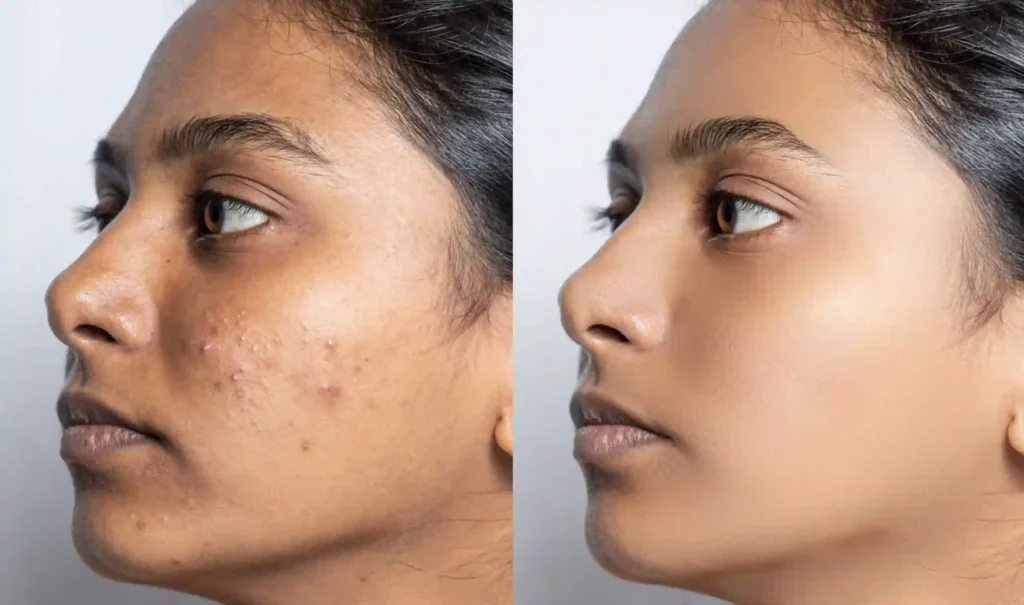
When Is Cryotherapy Not Recommended for Darker Skin?
Cryotherapy might not be the best option in some situations Eastleigh, such as when:
- The person has a history of pigment loss or keloid scarring.
- The lesion needs deep or prolonged freezing (like large warts or thick keratoses).
- The treatment area is highly visible, such as the face or neck.
- There’s recent sun exposure or active inflammation in the area.
In these cases, alternative treatments—like radiofrequency, electrocautery, or certain laser options—are often safer for dark skin. See Here Why People in Eastleigh chose US for Cryotherapy.
What Key Steps Ensure Safe and Even Results in Dark Skin?
Here’s a quick summary of how to protect dark skin during and after cryotherapy:
- Use short freeze times and only one cycle per area.
- Always do a test patch before treating visible skin.
- Use topical products for pigment control, before and after your procedure.
- Continue applying sunscreen during the post-operative period.
- When dealing with multiple lesions, treat them one by one, not all morph into a single mass of pigment.
To avoid pigmentation risks and maintain an even skin tone after treatment, it is helpful to take a few simple but crucial steps.
FAQs About Cryotherapy for Darker Skin
Q: Is cryotherapy safe for African, Asian, or South Asian skin tones?
Yes, the procedure can be safe — but only when done with modified techniques like shorter freeze times, single cycles and close monitoring to minimize pigment injury.
Q: Does cryotherapy permanently whiten dark skin?
In certain instances, the hypopigmentation may remain for a prolonged duration or can be permanent if melanocytes are destroyed deeply in tissues while freezing.
Q: When does pigmentation change as a result of cryotherapy begin?
It is generally one to two weeks before most people see dark or light scabs as the skin starts repairing itself and the crusted scab falls away.
Q: If my skin is dark, can I do facial spots by cryotherapy for cosmetic reasons?
It might — except that dermatologists generally steer clear of using facial cryotherapy on dark skin, since such discolorations are more apparent and harder to correct.
Q: How long does it take for dark skin to turn back to normal after cryotherapy?
Pigmentation back to normal appered in 3-12 months, depending on the severity of freezing, inflammation and sun exposure.
Q: What should I avoid once I’ve had cryotherapy to get the best skin tone?
Stay out of the sun, don’t exfoliate and never pick at scabs, to name just a few. These may exacerbate inflammation and incite hyperpigmentation.
For further information, please get in touch with us today at 03300 100 392