
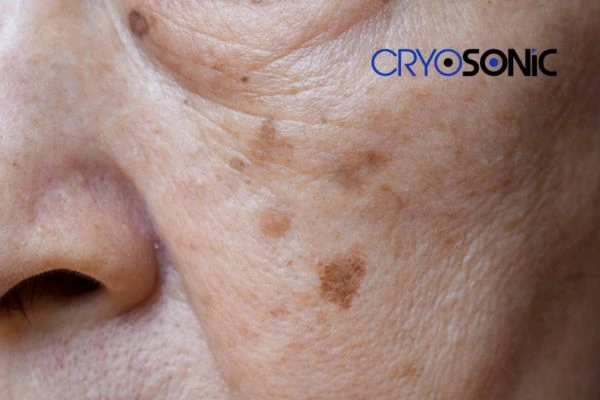
We all love a day in the sun, but it can do quite a number on your skin. Besides a tan, extended sun exposure may cause wrinkles, dryness, dark spots, and signs of premature ageing.
If you understand how sun damage occurs — and how age spots develop — you’ll be better able to take care of your skin.
What Is Sun Damage and How Does It Affect Your Skin?
Sun damage happens when UV rays from the sun penetrate your skin, Eastleigh, affecting the cells beneath the surface. Over time, this can show up as:
- Fine lines and wrinkles
- Dry, rough patches
- Redness or irritation
- Uneven skin tone
Even short stints in the sun without protection can add up. The effects might take years to appear, which is why protecting your skin daily is so important—even on cloudy days.
Why Do Age Spots Appear and Who Is Most at Risk in Eastleigh?
Age spots are flat, dark marks that usually form on skin regularly exposed to the sun, especially on the face, shoulders, hands, and arms.
The skin may develop these darker areas as a result of increased pigment production from UV exposure. Excess melanin accumulates in a single area, forming a dark spot that we see.
Although Age Spots may occur in anyone, they can be more noticeable on lighter skin types because age-related injuries occur earlier. However, darker skin is more resistant to UV-induced pigmentation over the years.
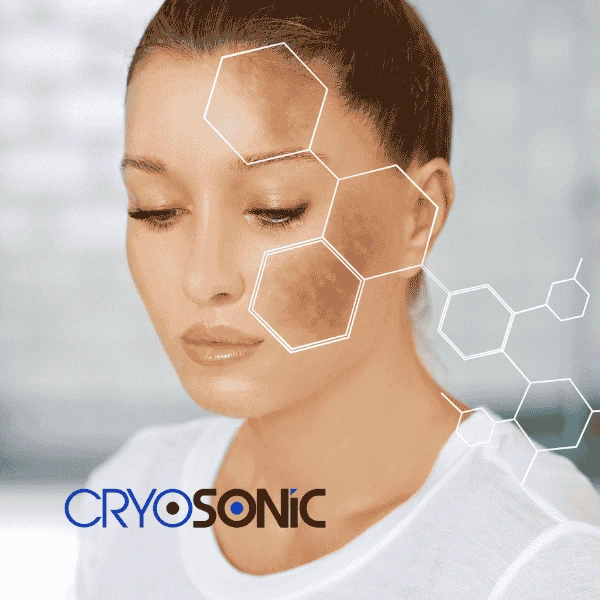
Can Daily Sunscreen Really Prevent Age Spots?
Absolutely. Applying a broad-spectrum SPF 30 sunscreen daily may help keep your skin healthier and reduce the chance of new spots appearing in Eastleigh. Discover how CryoPen works for age spots in Eastleigh.
Don’t let cloudy skies fool you — UV exposure happens year-round. Reapply sunscreen every few hours outdoors and remember spots like the back of your neck, ears, and hands.
What Are the Best Protective Clothing and Accessories for Sun Safety?
Well, sunscreen works well, but physical protection also. Simple items like:
- Broad rim hats as a facial and neck shield
- UV-blocking sunglasses
- Long sleeves or UPF-rated clothing for your arms and shoulders
…which will all reduce your possibilities of sunburn, age spots, and long-term problems.
When Should You Avoid Sun Exposure to Protect Your Skin?
The sun is strongest between 10 a.m. and 4 p.m.. That’s when UV rays are most harmful.
Finding shade, staying indoors, or using umbrellas during these hours can make a big difference in preventing sun damage Eastleigh.
Even small changes, like sitting under a tree or wearing a hat, protect your skin without keeping you indoors all day.
Which Skincare Ingredients Help Prevent Sun Damage?
Some skincare ingredients will help your skin protect from damage and pigmentation. Look for:
- Vitamin C supports a brighter complexion and helps reduce pigmentation.
- Niacinamide: Evens out skin tone and strengthens your skin barrier.
- Antioxidants: Free radical skin damage by UV rays
And the very best way to protect your skin is by combining these with sunscreen.
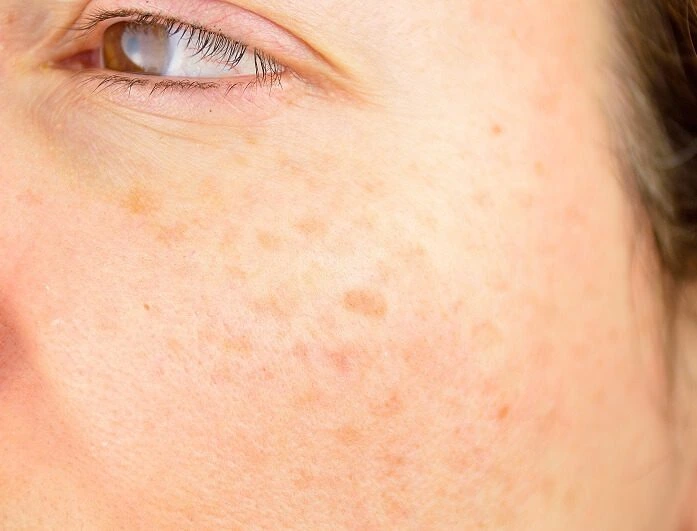
How Can Sun Protection Support Age Spot Treatments?
If you’re treating age spots with laser therapy, chemical peels, or topical creams, sun protection is crucial.
Small amounts of sun exposure without protection may cause new pigmentation and reduce treatment effectiveness. See Here Why People in Eastleigh chose US for Cryotherapy
Protecting your skin with sunscreen, covering up with protective clothing, and staying out of strong sunlight can help maintain your treatment results for longer.
How Do You Protect Your Skin From UV Damage Every Day in Eastleigh?
The biggest impact is consistent daily habits. Try to:
- Apply sunscreen every morning.
- Wear protective clothing when outdoors.
- Try to skip peak sun hours whenever possível
- Use skincare products with antioxidants.
- Never use tanning beds.
These little rituals go a long way to maintaining healthy skin, keeping sun damage at bay and diminishing age spots over time.
FAQs for Protecting Your Skin from Sun Damage
Q: Why does the sun damage my skin?
Sun damage is mainly due to exposure to ultraviolet (UV) rays from the sun, which penetrate into the skin and leads to changes in skin cells. In the long run, this causes wrinkles, redness, dry and pigmented skin.
Q: Are age spots really sun damage?
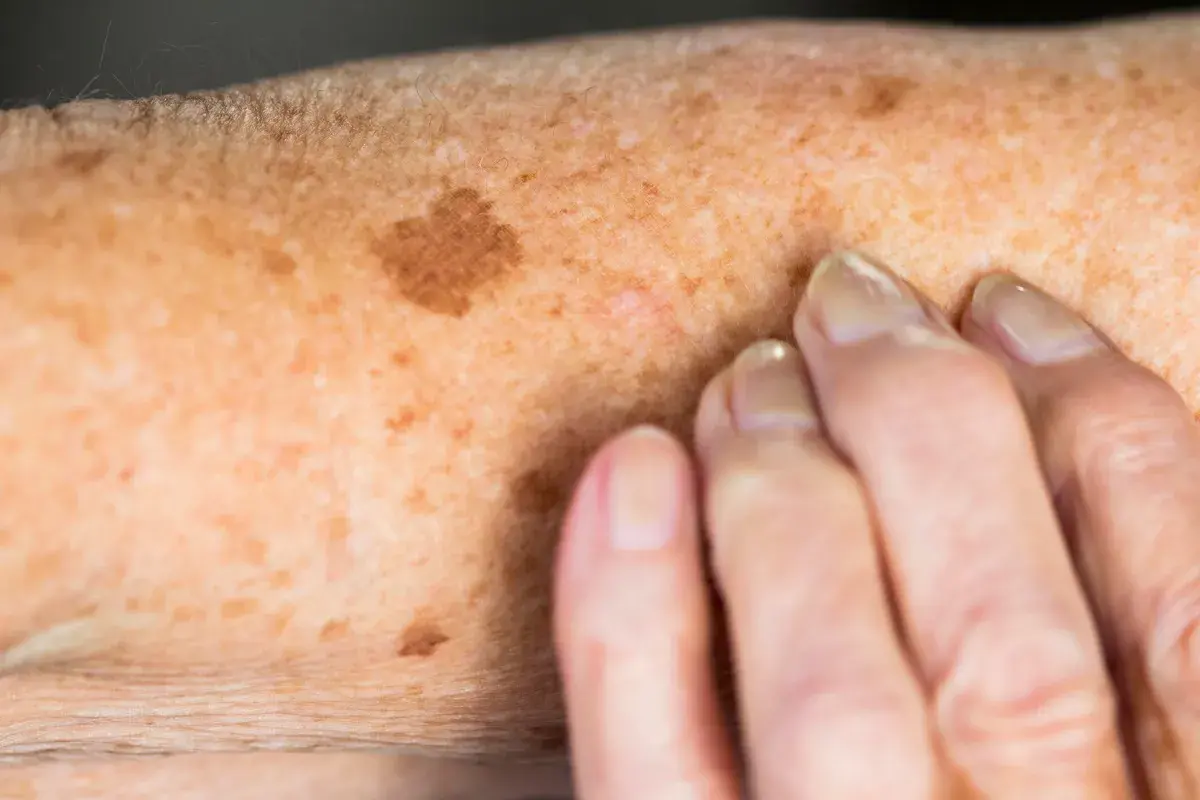
Not exactly. Age Spots are visible evidence of sun damage. They happen when too much melanin clumps in places you often spend time in the sun, causing dark blotches on your skin.
Q: Where are my age spots most likely to develop on my body?
The face, hands, shoulders and arms are most often affected because they get the most sun exposure.
Q: Is there anything that can prevent age spots entirely?
No sun protection method is completely foolproof, but applying a broad-spectrum SPF 30+ sunscreen every day may help prevent new spots and minimise additional sun damage.
Q: Are age spots a problem for darker skin tones?
Yes. Everyone is at risk, but light skin burns more quickly. And U.V. rays can still lead to pigmentation, sunspots and premature aging in darker skin types.
Q: Are tanning beds safe for your skin?
No. Tanning beds release UVA and UVB rays, both of which raise the risk of age spots, premature aging and skin cancer. Steer clear to keep your skin in good shape down the road.
For further information, please get in touch with us today at 03300 100 392